Period Constipation: Why your bowels change around your menstrual cycle and what can help

Constipation before or during your period is a common and normal part of the menstrual cycle — you are far from alone in this experience¹. Many women feel bloated, uncomfortable, and unable to go to the toilet in the days before their period arrives, and some continue to struggle once bleeding begins. Understanding why this happens can take away some of the frustration and embarrassment, and knowing what options exist can help you feel more in control of your body throughout the month.
Why do so many women get constipated before their period?
Constipation in the days leading up to your period is primarily driven by hormonal changes, not by anything you have done wrong. After ovulation, the body produces rising levels of a hormone called progesterone to prepare the uterus for a potential pregnancy ¹. Progesterone is a natural muscle relaxant, and its effects are not limited to the uterus — the smooth muscle lining your intestines responds to it too ¹.
Progesterone slows the movement of the gut, which can make stool harder to pass ². When progesterone levels are high, the smooth muscle cells lining the colon relax and contract less effectively, slowing the passage of stool ². As stool moves more slowly, the colon absorbs more water from it, leaving stools harder and more difficult to pass.
This is why constipation tends to cluster in what is called the luteal phase ⁴ — roughly the two weeks between ovulation and the start of your period. Research published in BMC Women’s Health found that a significant proportion of otherwise healthy women reported constipation, abdominal pain, bloating, nausea, or diarrhoea in the five days before and during menstruation ³. The experience differs from person to person and even from cycle to cycle: you may be constipated one month and have no difficulty the next. This variability is normal and is thought to reflect individual sensitivity to hormonal fluctuations rather than any underlying disease.
Emotional factors also matter. The same study found that women who reported anxiety, fatigue, or depressive symptoms around their period were more likely to experience gastrointestinal complaints ³. It is widely recognised that stress and low mood can affect gut function, so if your period is accompanied by mood changes — which is common — this may add to the digestive discomfort you feel.
Many women wonder why their bowels seem to “catch up” once their period actually starts. As progesterone levels fall sharply at the onset of menstruation, the colon relaxes and speeds up, which is why some experience looser stools or even diarrhoea in the first day or two of bleeding ¹.
Does constipation during your period affect everyone the same way?
Not everyone notices the same gut changes around their period. In a study of 156 healthy women, about 15% had constipation in the days before their period and about 10% had it during menstruation ³. Other symptoms were more common, including tummy pain, bloating, diarrhoea and nausea. The study also found that women who felt low, anxious or very tired around their period, or who had painful periods, were more likely to notice several gut symptoms at once ³.
Constipation during the menstrual cycle is more common and more intense in certain groups. People who live with irritable bowel syndrome (IBS) are particularly affected. A 2021 study found that significantly more IBS patients experienced constipation during the luteal phase than at other points in the cycle ⁴. IBS patients also experienced more constipation symptoms during their period and were most likely to seek medical help during menstruation itself ⁴. More than half reported bloating that affected their daily life across all phases of the cycle ⁴.
It is also worth noting that diet can play a reinforcing role. Many people crave comfort foods — higher in fat, sugar, and lower in fibre — in the days before their period. Progesterone slows down the digestive system ¹. Choosing foods lower in fibre at this time may compound the hormonal effects on the bowel ¹.
What are the options for relieving constipation around your period?
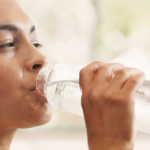
Period-related constipation is manageable for most people. Lifestyle measures are a sensible first step and can make a meaningful difference. Increasing dietary fibre by adding fruits, vegetables, and whole grains can help bulk stool and stimulate bowel movement ¹. Staying well hydrated is equally important, as the colon requires fluid to keep stool soft. Some evidence also supports regular physical activity as a way to encourage bowel motility, even gentle movement such as walking ¹.
When lifestyle measures are not enough, an osmotic laxative may provide effective relief. Lactulose works within 2 to 3 days.
In the colon, lactulose is broken down by bacteria which leads to a lowering of pH and via an osmotic effect to an increase of the volume of the colonic contents. These effects stimulate the peristalsis of the colon and return the consistency of the stools. The constipation is cleared, and the physiological rhythm of the colon is reinstated ⁵. Because lactulose is not absorbed into the bloodstream, systemic exposure is negligible ⁵.
Common side effects of lactulose include flatulence and abdominal discomfort, particularly during the first days of use; these generally improve with time. High or prolonged doses may lead to diarrhoea or electrolyte disturbances ⁵. Lactulose should not be used in people with galactosaemia or gastrointestinal obstruction ⁵.
What you can do
If constipation is a regular pattern around your period, keeping a simple diary of your symptoms alongside your cycle can help you spot patterns and prepare. In the days before your period is due, you might:
• Eat more high-fibre foods such as whole wheat breads, fresh fruits and vegetables ¹.
• Drink plenty of fluids which helps keep things moving ¹.
• Exercise, which improves blood and oxygen circulation, which helps keep the bowels active ¹.
• Cut back on sugary and fatty foods to help maintain regularity ¹.
If lifestyle changes alone do not provide adequate relief, speak with a pharmacist or doctor about whether a laxative may be appropriate for you. They can advise on the right dose and duration for your personal situation, as well as rule out any underlying condition that may need attention.
Conclusion
Constipation before and during your period is a common, well-documented experience rooted in the hormonal changes of the menstrual cycle — particularly the rise in progesterone during the luteal phase. Understanding this connection can reduce worry and help you respond to it early. With the right combination of lifestyle support and, if appropriate, a laxative, most people can manage period-related constipation comfortably. Always speak with a healthcare professional if symptoms are severe, persistent, or concern you.
FAQ
Constipation before your period is mainly caused by rising progesterone, a hormone that peaks after ovulation and relaxes the smooth muscles of the intestine, slowing bowel transit ¹². This is a well-recognised pattern in the luteal phase of the menstrual cycle ⁴. It affects many people to varying degrees and is not a sign of a serious problem. If it bothers you regularly, speaking with a healthcare professional can help you find a management strategy that works for you.
Yes, gastrointestinal symptoms including constipation are very common around menstruation. A study of healthy women found that a significant number reported bowel changes — including constipation — in the five days before and during their period ³. You may not experience it every month, and its severity can vary. It is part of the normal hormonal cycle for many people.
Constipation most commonly develops during the luteal phase, which begins after ovulation — typically around the middle of the cycle — and continues until menstruation starts ¹⁴. For many women, this means symptoms begin one to two weeks before their period. The timing can vary depending on your individual cycle length and hormonal profile.
For many people, constipation improves or resolves once the period starts, because progesterone levels drop sharply at the onset of menstruation ¹. This hormonal shift allows gut motility to return to normal. Some people may actually experience looser stools or diarrhoea in the first days of their period as a result of this shift ¹.
Yes. Research shows that women with anxiety or depressive symptoms around their period are more likely to report gastrointestinal complaints, including constipation ³. The gut and brain communicate closely, and stress hormones can slow bowel motility independently of reproductive hormones ³. Managing stress through relaxation, gentle exercise, or social support may help reduce this effect.
Foods rich in dietary fibre — such as oats, lentils, leafy vegetables, berries, and whole grains — can help add bulk to stool and stimulate bowel movement. Staying well hydrated is equally important, as the colon needs adequate fluid to keep stool soft and moveable ¹. Try to limit highly processed, high-fat, low-fibre foods in the days before your period, as these may compound the hormonal effects on bowel transit ¹.
Using a laxative during your period is generally ok, but you should choose one appropriate for your situation and follow the instructions on the packaging or from your healthcare professional. Osmotic laxatives such as lactulose work gently by drawing water into the colon to soften stools and restore normal bowel rhythm ⁵. Always read the product information for contraindications and speak with a pharmacist or doctor if you are unsure.
Lactulose is an osmotic laxative that works in the colon. Because lactulose is not absorbed by the small intestine, it reaches the colon unchanged, where colonic bacteria break it down into organic acids ⁵. These acids lower the pH in the colon and create an osmotic effect that draws water into the colon contents, softening stool and stimulating peristalsis to restore the colon’s natural rhythm ⁵. It typically takes 2 to 3 days to produce a bowel movement ⁵.
Yes, people with IBS tend to experience more pronounced bowel symptoms around their menstrual cycle. A 2021 study found that IBS patients were significantly more likely to report constipation during the luteal phase, experienced more symptoms during their period, and were more likely to seek medical help for constipation during their period ⁴. If you have IBS and notice your symptoms reliably worsen with your cycle, it is worth discussing a cyclical management strategy with your doctor.
Most period-related constipation is temporary and responds to lifestyle measures or short-term use of an appropriate laxative. However, you should speak with a healthcare professional if you experience painful abdominal symptoms before starting any laxative treatment, or if constipation does not improve after several days of use ⁵. Period constipation is common, well understood, and manageable — if symptoms are severe or persist beyond your period, a pharmacist or doctor can help.
This article was written with the assistance of generative AI technology and reviewed for accuracy.